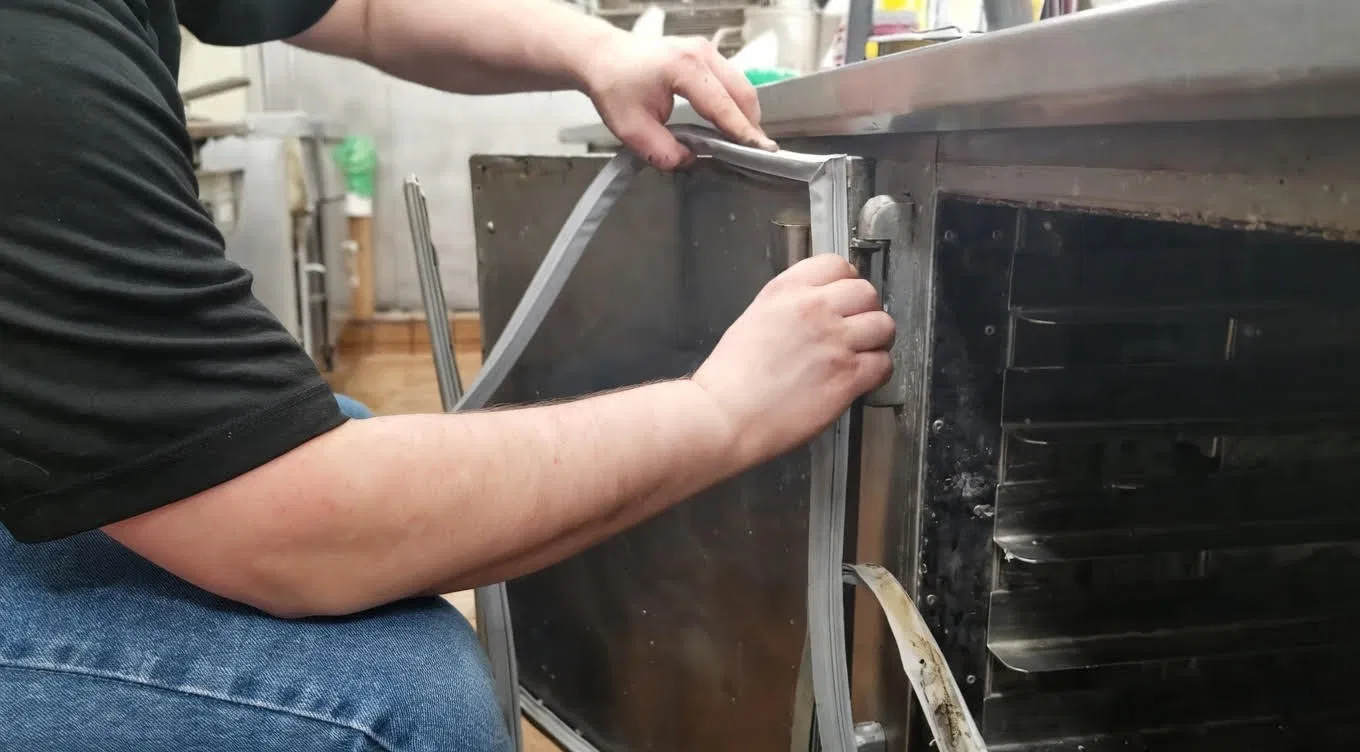
A walk-in cooler with a failed seal is a liability. It drives up energy bills. It risks food safety. It leads to health department violations. Sometimes, even new gaskets fail to seal. Use this guide to identify the cause and apply the fix.
1. Incorrect Measurements
Generic gaskets rarely fit perfectly. A gasket that is even 1/8th of an inch off will leave a gap. These gaps allow cold air to escape and warm air to enter.
The Fix: Avoid ordering parts based on model numbers alone. Frames warp over time. Measure the actual door track. At Master Seal Craft, we fabricate custom gaskets on-site to ensure a precise fit for every unique door.
2. Worn or Misaligned Hinges
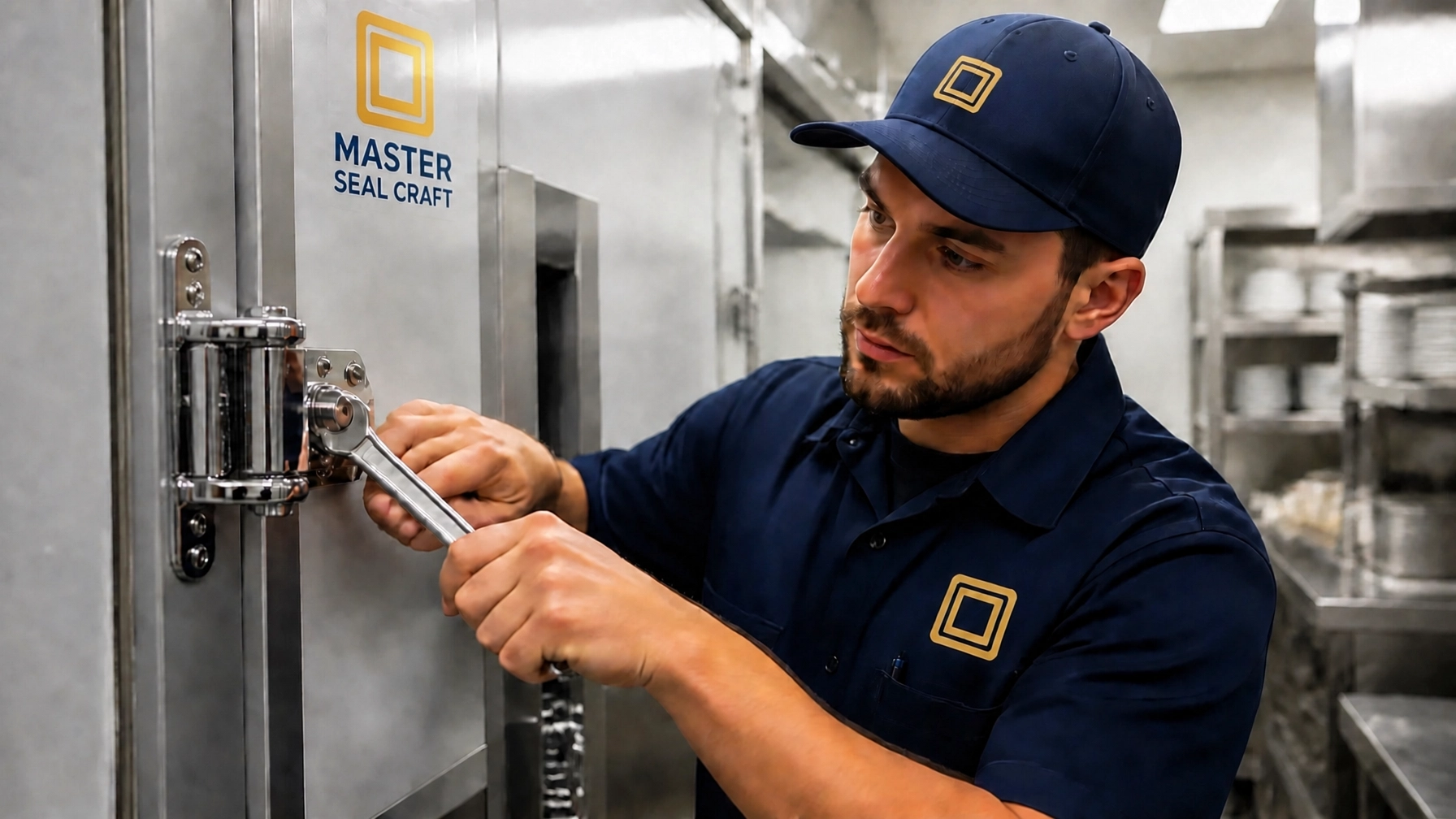
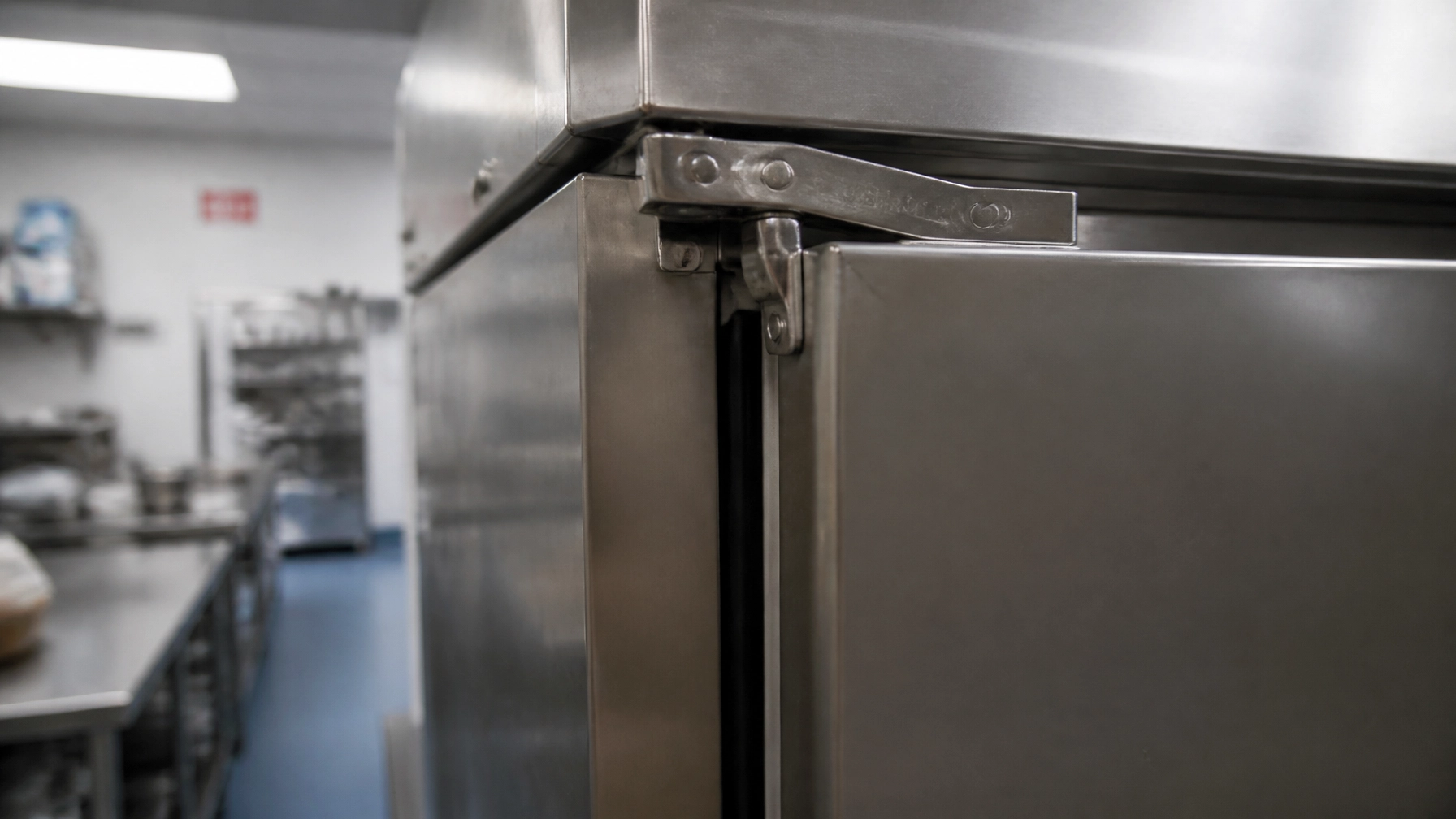
Hinges support the weight of the door. Over time, they sag. A sagging door pulls the gasket away from the frame at the top. It also drags the gasket at the bottom.
The Fix: Inspect your hinges for metal shavings or loose screws. Tighten all hardware. If the door is visibly tilted, adjust the hinge shims. A perfectly aligned door is required for a 360-degree seal.

3. Dirt and Grease Buildup
Kitchens are messy environments. Grease and food debris collect in the folds of the gasket. This buildup hardens the rubber. Hardened rubber cannot compress against the frame.
The Fix: Clean gaskets weekly. Use warm water and mild dish soap. Avoid harsh chemicals like bleach. Bleach dries out the vinyl and causes premature cracking. For deep cleaning and regular monitoring, consider our Seal Integrity Program.
4. Improper Installation in the Track
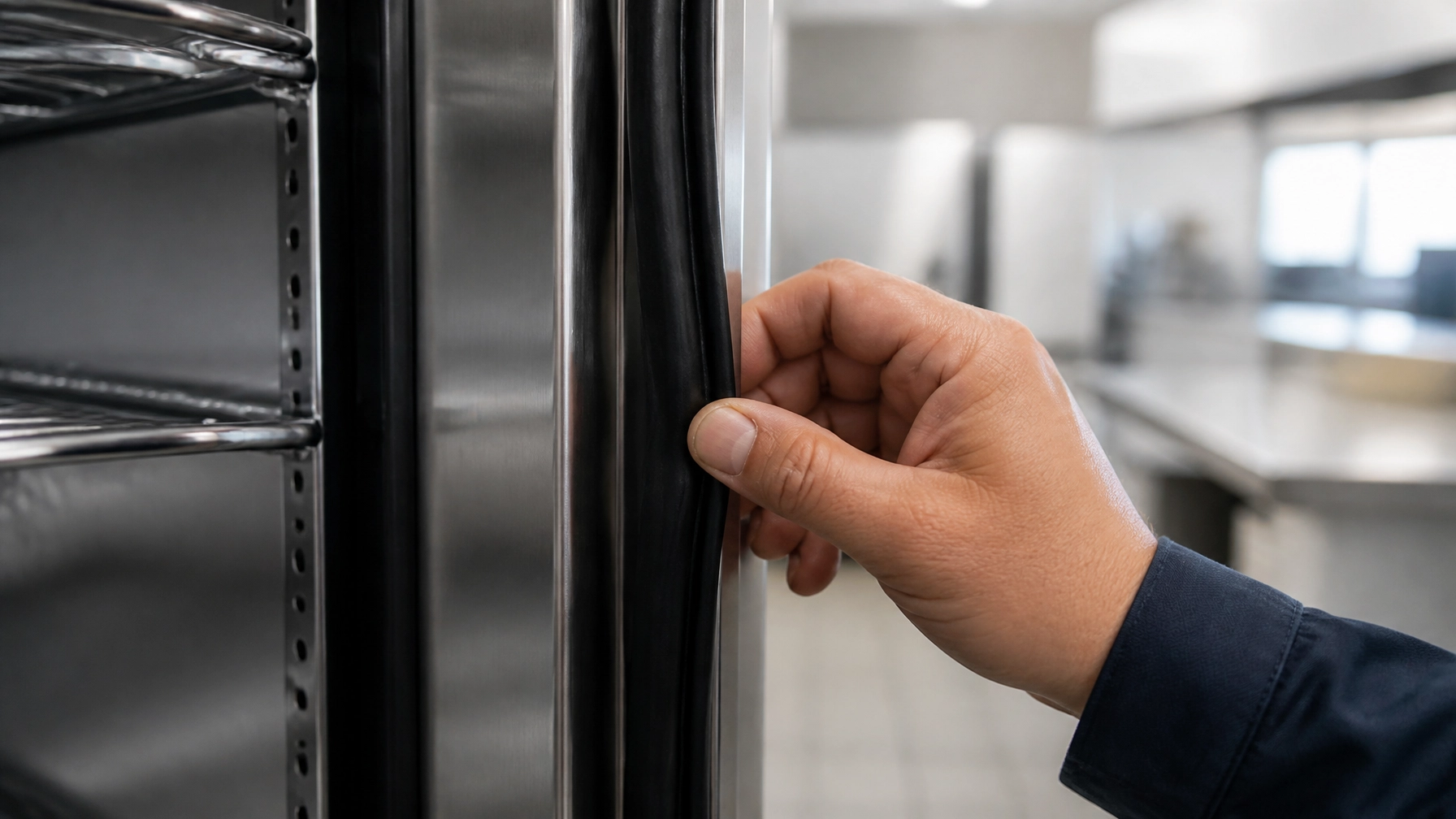
Gaskets must be fully seated in the retainer track. If one section is loose, the entire seal fails. This often happens at the corners where the material is bulkier.
The Fix: Run your thumb firmly along the entire perimeter of the gasket. Ensure it is pushed deep into the channel. If the gasket pops out repeatedly, the retainer track may be widened or damaged.
5. Failed Magnetic Strips
Most commercial gaskets use magnetic inserts to pull the door shut. If the magnet is weak or broken, the door will not stay sealed. This is common with low-quality, "off-the-shelf" replacement parts.
The Fix: Perform the "paper test." Close the door on a piece of paper. If the paper slides out without resistance, the magnet is not engaging. Replace the gasket with a high-quality magnetic version.

6. Damaged Door Closers
Automatic closers are designed to pull the door into the final sealed position. If the closer is leaking hydraulic fluid or has lost tension, the door stays slightly ajar. The gasket cannot do its job if the door isn't closed.
The Fix: Check the hydraulic cylinder for leaks. Adjust the tension screw to ensure the door closes firmly but safely. Replace failed closers immediately to prevent motor burnout.
7. Warped Door Frames
Heavy traffic in Sacramento or Reno kitchens often leads to frame damage. Carts and pallets hit the door jambs. This creates bends in the metal that a flexible gasket cannot bridge.
The Fix: Sight down the edge of the frame. Look for bows or dents. Small gaps can sometimes be fixed with thicker gasket profiles. Major warping requires professional frame repair or replacement.
8. Ice Accumulation
In high-humidity areas or during Tahoe winters, ice builds up on the threshold. Ice acts as a physical block. It prevents the door from closing flush against the frame.
The Fix: Clear ice from the floor and frame daily. Check your heater wires. If the frame feels cold to the touch, the heater wire has failed. Replace the wire to prevent constant icing and gasket damage.

9. Suction and Pressure Issues
A powerful cooling system creates a vacuum. If the vent port is clogged, the door becomes difficult to open or may bounce back when closed. This "bounce-back" leaves a gap in the seal.
The Fix: Locate the pressure relief vent. Clean any frost or debris blocking the airflow. Ensure the vent flaps move freely to equalize pressure quickly.
10. Poor Quality Materials
Cheap gaskets are a bad investment. They use thin vinyl that becomes brittle in months. They lack the structural integrity to withstand high-volume kitchen use.
The Fix: Use professional-grade materials. Master Seal Craft provides a 120-day warranty on all installations. We use durable, food-grade vinyl designed for the rigors of commercial service.
Professional Verification
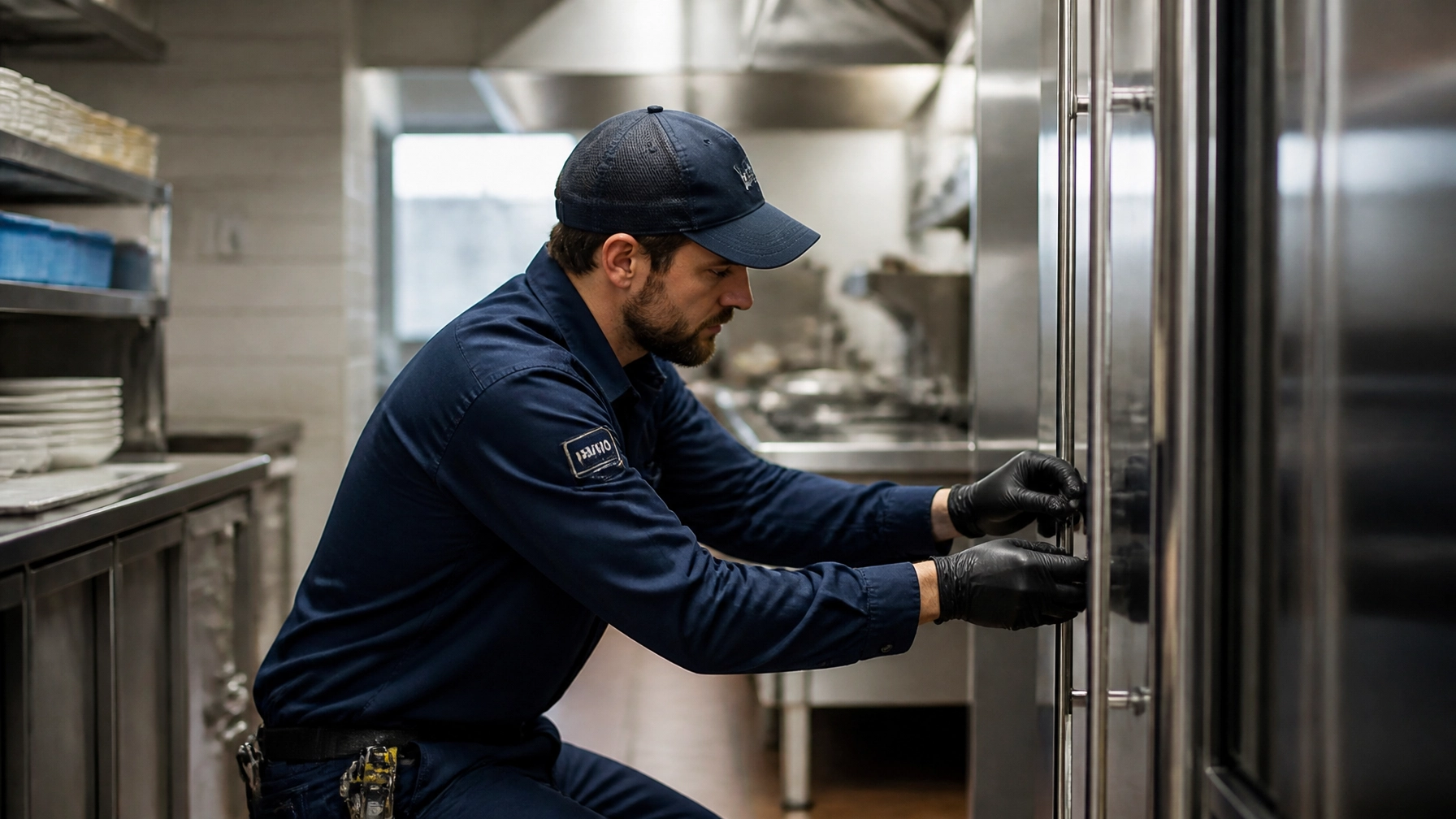
Don't guess on your seal integrity. A failed health inspection is expensive. We offer detailed photo verification for every job. This provides proof of compliance for managers and auditors.

Ready to Fix Your Seals?
Stop wasting energy and risking audits. Master Seal Craft serves Sacramento, Reno, and Lake Tahoe. We measure, fabricate, and install on-site.
Contact us today:
- Visit: Our Contact Page
- Service Areas: Sacramento | Reno | Lake Tahoe